Green Is the New Gold: How Islamabad's Ethically Minded Models Are Capturing Silicon Valley's Attention
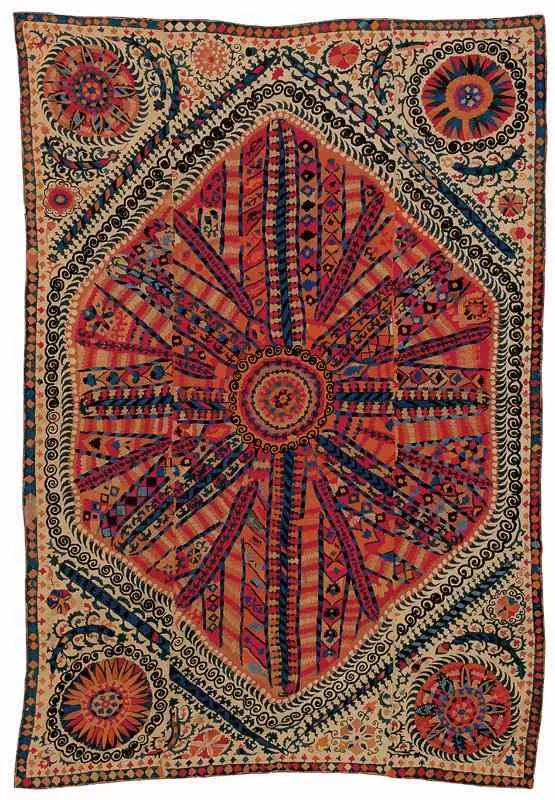
Photo: Sotheby's catalog photo. Created by unknown artisans in or near Bokhara, circa 1800, Public domain, via Wikimedia Commons
For years, the conversation around sustainable fashion in the United States has been dominated by European labels and Californian startups. But a quieter revolution has been unfolding more than seven thousand miles away, in the studios and showrooms of Islamabad, where a cohort of models is redefining what eco-conscious representation actually looks like — and why it matters to some of the most influential buyers in the world.
The demand is not incidental. As American luxury brands and technology companies race to align their marketing with environmental and ethical commitments, they are discovering that Islamabad's talent pool offers something genuinely rare: a living, breathing connection to sustainable craft traditions that Western markets can only approximate.
The Authenticity Premium
Sustainability, in the context of Western fashion marketing, has frequently been a performance. Brands launch capsule collections made from recycled polyester, commission campaigns shot in minimalist studios, and call it a commitment to the planet. Consumers — particularly the educated, high-income demographic concentrated in cities like San Francisco, Seattle, and Austin — have grown increasingly skeptical of this approach.
What they are responding to now is provenance. They want materials with traceable origins, production methods rooted in generational knowledge, and faces that carry genuine cultural authority over the stories being told.
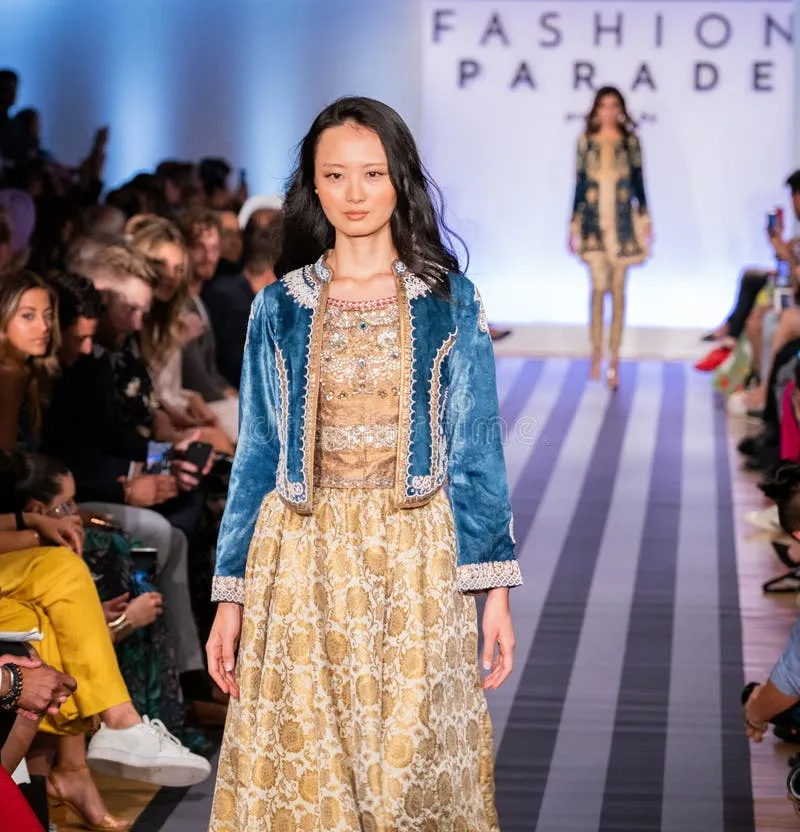
Islamabad's models, many of whom grew up wearing hand-block-printed fabrics, khaddar wool, and naturally dyed textiles produced by small-scale artisans across Punjab and Khyber Pakhtunkhwa, bring that authority organically. When a model from Islamabad appears in a campaign for an American brand that sources hand-loomed cotton from Pakistan's northern regions, the visual narrative has an integrity that no amount of production design can manufacture.
"The brands we are working with in California are not just interested in how we look," says one Islamabad-based model who has collaborated with several American wellness and lifestyle labels over the past two years. "They want to understand what we know. They ask about the fabrics, about the dyers, about the women who make these things. That knowledge is part of what they are paying for."
Why Silicon Valley Specifically
The technology sector's relationship with fashion has matured considerably over the past decade. Early-stage startup culture once prided itself on a studied indifference to appearance, but the companies that have grown into global institutions are now investing seriously in brand identity — and that identity increasingly reflects their stated values around environmental responsibility, diversity, and ethical supply chains.
Several American technology firms have launched internal sustainability initiatives that extend to their marketing and communications budgets. When these companies commission editorial content, product photography, or campaign imagery, they are looking for talent whose personal brand reinforces rather than contradicts the message.
Islamabad's models occupy a uniquely favorable position within this framework. Pakistan is among the world's largest producers of cotton, and the country's artisanal textile traditions — many of which have operated with minimal environmental footprint for centuries — align naturally with the kind of responsible sourcing narratives that resonate in Silicon Valley boardrooms.
Beyond the supply chain story, there is also the matter of market differentiation. A technology company that launches a sustainable apparel line and features models exclusively from Western markets is telling a partial story. One that incorporates talent from Islamabad is signaling something broader: that the global fashion economy can be both equitable and environmentally sound.
Craftsmanship as Currency
The models themselves are not passive participants in this narrative. Many have taken deliberate steps to deepen their understanding of Pakistani textile traditions, visiting workshops in Lahore and Multan, studying the chemistry of natural dyes, and building relationships with the cooperatives that supply raw materials to export-oriented manufacturers.
This investment pays dividends in multiple ways. It generates content — the behind-the-scenes documentation of these visits has proven highly effective on platforms like Instagram and Pinterest, where American consumers with an interest in ethical fashion are actively searching for exactly this kind of material. It also provides models with a vocabulary that resonates in client conversations.
"When I sit down with a brand director in New York or San Jose, I can speak to the process in a way that someone who has only worn these fabrics cannot," explains one model who has built a following among American slow-fashion advocates. "I can tell them which regions produce the most colorfast natural dyes, why a particular weave structure holds up better over time, what fair compensation looks like for an artisan family. That depth of knowledge changes the conversation entirely."
The Paradox at the Center
There is, of course, a tension embedded in this dynamic. The very act of positioning Pakistani craft traditions as a selling point for Western brands raises legitimate questions about who benefits from that transaction and whether the financial rewards flow back to the artisan communities whose work provides the foundation.
The models who are navigating this most successfully are those who have thought carefully about these questions and arrived at positions they can articulate clearly. Some have established direct partnerships with cooperatives, ensuring that a portion of their booking fees supports the communities whose traditions they represent. Others have become vocal advocates for fair trade certification within the Pakistani textile industry, using their platforms to push for structural change rather than simply profiting from the aesthetic appeal of craft.
This ethical seriousness is itself part of the appeal for American clients who have learned to scrutinize the gap between marketing claims and actual practice. A model who can speak knowledgeably about the labor economics of handloom weaving is not just a face — she is a credible voice in a conversation that matters to consumers.
What This Means for the Islamabad Market
For aspiring models in Islamabad, the sustainability positioning represents a genuine strategic opportunity, but it is not one that can be adopted superficially. American clients in the luxury and technology sectors have become sophisticated readers of authenticity. A model who claims eco-conscious values without the knowledge and relationships to substantiate them will not hold up under the scrutiny that premium bookings require.
The opportunity belongs to those who are willing to invest in understanding — not just wearing — the traditions that make Islamabad's fashion identity distinctive. That investment, undertaken seriously, creates a form of competitive advantage that is genuinely difficult for models from other markets to replicate.
In a global industry where differentiation is everything, that is an extraordinarily valuable position to occupy.