American Brands Are Looking East: How Islamabad's Models Are Winning Global Casting Calls
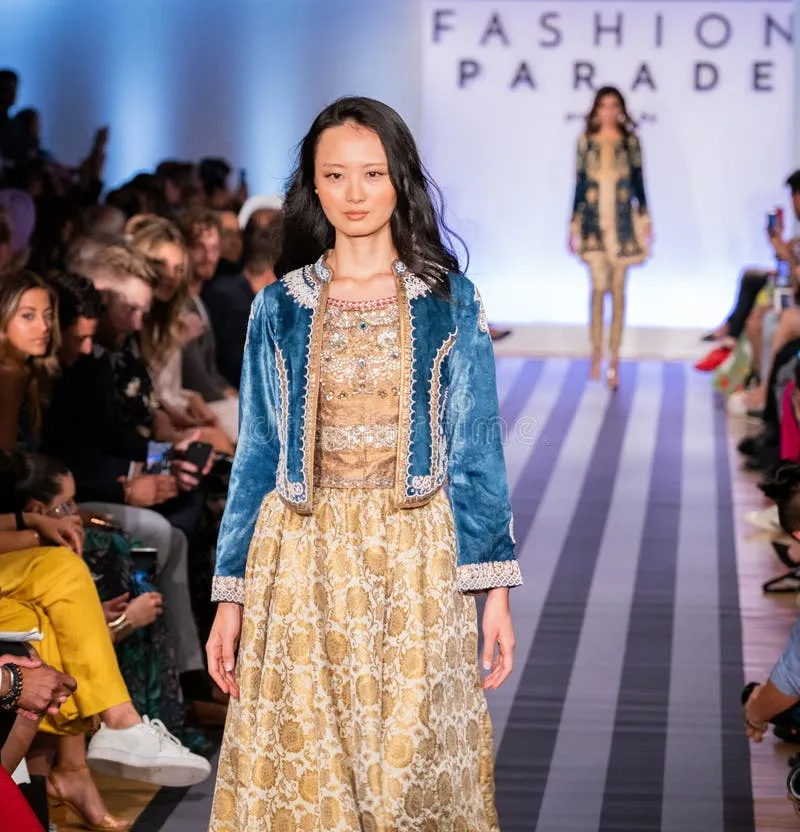
Photo: diverse South Asian female model professional fashion shoot studio, via thumbs.dreamstime.com
For decades, the gravitational center of international fashion casting was fixed firmly between New York, Milan, and Paris. Agencies in those cities held near-exclusive influence over which faces appeared in glossy campaign spreads, on luxury brand websites, and along the runways of the world's most-watched fashion weeks. That geography is shifting. Quietly, then with increasing momentum, American fashion houses and beauty brands have begun extending their scouting reach toward Islamabad — and the results are reshaping what global fashion campaigns look like.
A Market Recalibration, Not a Trend
Industry observers are careful to distinguish what is happening from a passing multicultural moment. The movement of American brand investment toward Islamabad's talent ecosystem reflects deeper structural forces. South Asian consumers represent one of the fastest-growing luxury spending demographics in the United States, and brands that have historically underrepresented this audience are now confronting the commercial cost of that omission.
According to research from McKinsey's Global Fashion Index, brands that authentically reflect their consumer base in visual marketing outperform competitors in brand loyalty metrics by a significant margin. For American labels targeting second-generation South Asian consumers — a demographic with substantial purchasing power concentrated in cities like Houston, Chicago, and the greater New York metro area — casting talent with genuine cultural roots carries weight that cannot be replicated by styling choices alone.
Islamabad's fashion scene has matured precisely at the moment this demand is accelerating. The city's modeling ecosystem, anchored by agencies and platforms including Models in Islamabad, has spent years developing talent to international professional standards. The infrastructure now exists to deliver what American brands require: experienced, camera-ready professionals who bring authentic representation without the steep learning curve of developing raw talent from scratch.
What Casting Directors Are Actually Saying
Conversations with casting professionals affiliated with American brands reveal a consistent theme: Islamabad models offer a quality of presence that is both distinctive and commercially versatile.
One New York-based casting director who has placed talent in campaigns for mid-tier American fashion retailers described the appeal in practical terms. "There's a particular quality of bone structure, of carriage, that we're seeing from Pakistani talent that photographs extraordinarily well across a range of lighting conditions and aesthetic treatments," she noted. "Beyond the physical, there's a professionalism and a hunger that you don't always find when you're pulling from markets that have been saturated for years."
That hunger translates into preparation. Models emerging from Islamabad's professional training pipeline arrive at international castings with an understanding of posture, editorial versus commercial distinction, and brand alignment that casting teams find immediately useful. They have, in many cases, already worked with demanding local clients — Pakistan's own fashion industry is rigorous — and that experience is visible on set.
Brand Partnerships Taking Shape
While major fashion houses have historically been guarded about disclosing emerging market casting strategies, the evidence of Islamabad talent appearing in international contexts is accumulating. Beauty brands with significant e-commerce presences have begun incorporating South Asian models with Islamabad connections into their digital campaign assets, recognizing that authentic representation drives engagement metrics among target demographic segments.
Several American retailers operating in the modest fashion and occasion wear categories — markets where South Asian aesthetic sensibilities carry particular commercial relevance — have made Islamabad-based talent a deliberate component of their casting briefs. These are not token inclusions. In several documented cases, Islamabad models have served as primary campaign faces rather than supporting ensemble members.
Luxury fragrance and cosmetics brands have similarly recognized the strategic value. Skin tone representation has long been a documented gap in American beauty advertising, and the range of complexions present within Islamabad's modeling community addresses that gap with nuance. Rather than casting broadly "South Asian" talent that may not reflect the specific visual vocabulary of Pakistani identity, these brands are finding that specificity itself becomes a differentiator.
The Digital Infrastructure That Made This Possible
It would be inaccurate to attribute this shift solely to changing brand values. The logistical barriers that once made international casting from cities like Islamabad prohibitively difficult have been substantially dismantled by digital infrastructure.
Casting directors in Los Angeles and New York can now review professional digital portfolios, conduct video call screen tests, and negotiate representation agreements without a single transatlantic flight. Platforms dedicated to connecting Islamabad's modeling talent with international opportunities have professionalized the pipeline, ensuring that the portfolios reaching American casting desks meet the technical and aesthetic standards those desks require.
Models in Islamabad has been part of this infrastructure development, providing talent with the platform visibility and professional positioning necessary to compete for international placements. The agency model operating in Islamabad today bears little resemblance to the isolated local market of even five years ago. It is, increasingly, a node in a genuinely global network.
What This Means for the Industry's Future
The implications extend beyond individual casting decisions. As American brands build working relationships with Islamabad talent and the agencies that represent them, they are also developing institutional knowledge of a market that is itself growing in commercial significance. Pakistan's domestic fashion industry generates billions in annual revenue, and international brands seeking entry into that market are learning that relationships with its modeling community open doors that traditional market entry strategies do not.
For models based in Islamabad, the convergence of these forces creates an opportunity that is genuinely unprecedented. The city's talent is no longer waiting to be discovered by accident. It is being sought out with intention by brands that have done the commercial calculus and concluded that Islamabad's fashion ecosystem offers something the established Western talent pipeline cannot replicate.
The diversity advantage, as it turns out, is not simply a matter of visual representation. It is a strategic alignment between what Islamabad's models authentically offer and what the American fashion market increasingly cannot afford to overlook.