The Word Is the Problem: Why 'Discovery' Undersells Islamabad's Modeling Industry
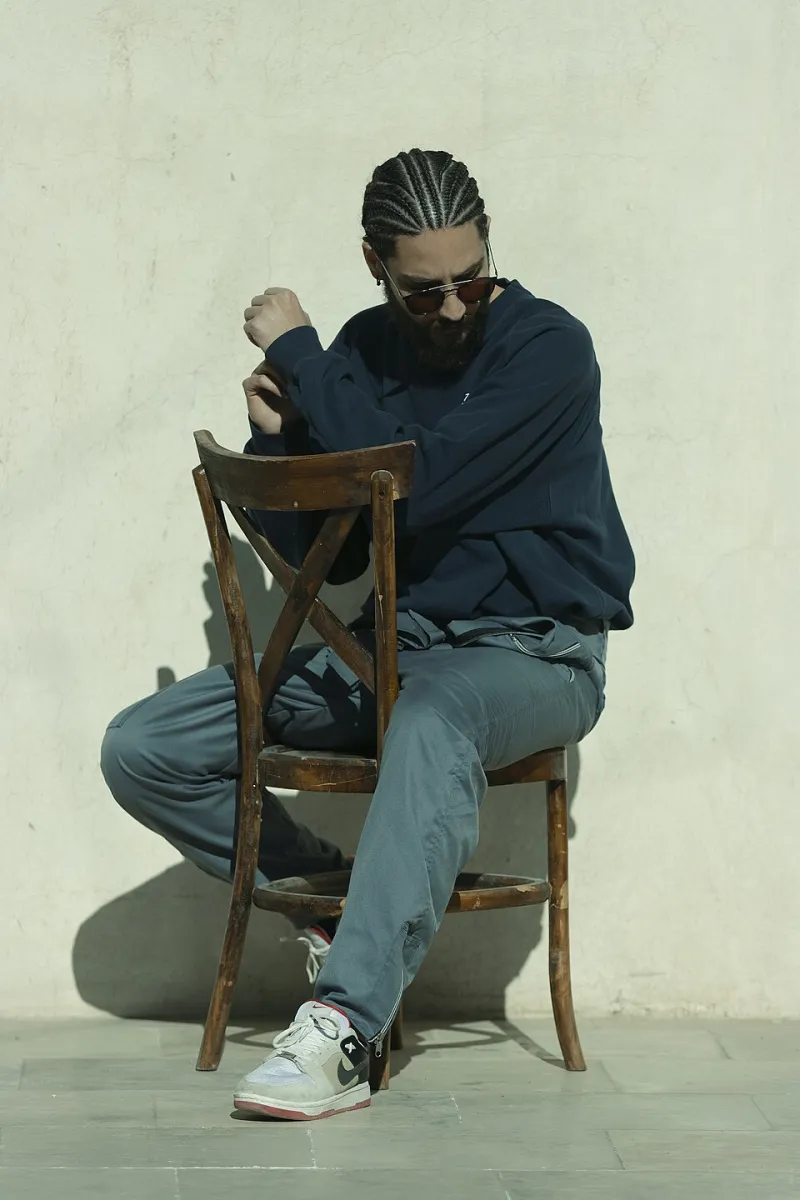
Photo: Mostafameraji, CC0, via Wikimedia Commons
A Familiar Word With a Costly Blind Spot
When an American casting director says she discovered a model in Islamabad, she usually means something simpler: she found a strong portfolio in a market she had not previously worked in. The word sounds generous. In practice, it flattens a professional ecosystem into a passive resource. By 2026, Islamabad's modeling market is not a series of lucky encounters. It is a working industry with scouts, coaches, agency bookers, test photographers, and local casting networks that operate long before a US brand arrives.
That distinction matters beyond semantics. Language shapes budgets, timelines, and expectations. If a brand believes it is discovering raw talent, it may offer a first-time rate, skip local representation, and treat professional boundaries as optional. If it recognizes a mature market, it negotiates with agencies, respects rate cards, and plans repeat bookings. The second approach produces better campaigns and fewer disputes.
The Work Happens Before the West Arrives
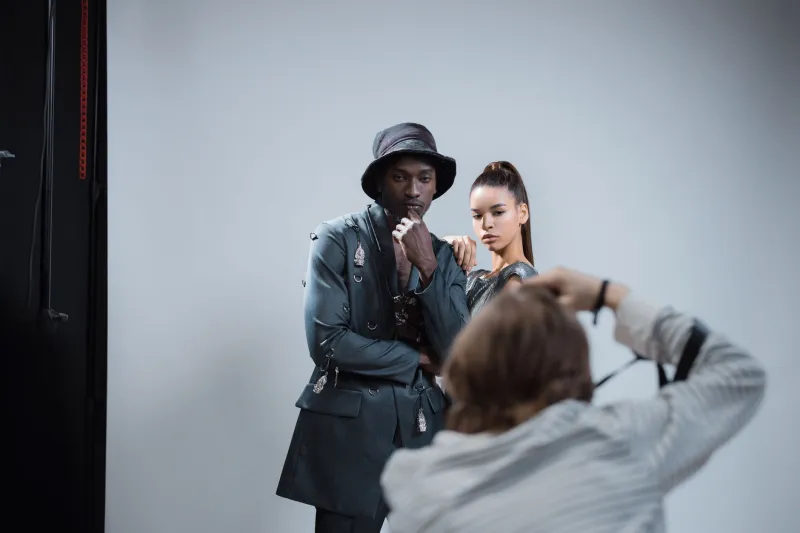
A model who appears in a US campaign may have spent two or three years in local editorial work, commercial bookings, and runway training. Local scouts identify candidates at campuses, community events, and through agency networks. Coaches refine posture, camera awareness, and runway presence. Mother agencies build portfolios, set rate expectations, negotiate local contracts, and manage calendars. None of that is accidental, and none of it happens because an American brand finally noticed.
This is the part the word discovery obscures. Islamabad's model economy has its own development pipeline. Models learn how to handle callbacks, how to review contracts, how to travel for shoots, and how to maintain a professional reputation across repeat clients. By the time a Western casting team arrives, the model is not raw material. She is a working professional with a history.
Discovery Language Distorts the Transaction
Calling the process discovery can lead US teams to lower offers, shortened timelines, and an expectation of gratitude. It can also encourage direct negotiations with talent, bypassing the local agency that built the career. That creates friction in a market where representation is increasingly standard. The correct question is not who found the model. The correct question is who represents her, what has she booked, and what are her standard terms.
There is a domestic comparison worth making. American agencies in New York and Los Angeles do not describe themselves as discoverers. They represent talent. They negotiate. They build books. Islamabad's agencies increasingly operate the same way. The vocabulary should catch up.
What to Say Instead
Professional sourcing is a better phrase than discovery. Market entry is better than finding. Casting partnership is better than rescue. A US brand can say it is casting through an Islamabad agency, not that it discovered an unknown face. The model's mother agency can be named in the same way a US representation would be named. These are small changes, but they signal that the brand understands the market it is entering.
Language also affects internal approvals. A discovery narrative sounds like a risk. A representation-led booking sounds like a professional transaction. The second framing is more accurate and more likely to survive legal and finance review.
A Practical Reset for US Casting Teams
Three steps would improve most first-time engagements. First, request an agency introduction and confirm representation details before discussing rates. Second, review the model's portfolio history and repeat clients, not just a single image that caught someone's eye. Third, include the local casting director or agency in negotiations so that expectations are aligned from the start.
None of this requires importing a new system. It requires using the system that already exists. Islamabad's models are not waiting to be discovered. They are building careers, booking work, and setting standards. The US industry should describe that reality accurately, because the words it uses determine how it behaves.
The Bottom Line
Discovery is a romantic word for a transactional moment. Islamabad's model economy has outgrown it. In 2026, the market deserves language that reflects professional representation, local infrastructure, and career continuity. US brands that adopt that language will cast better, negotiate more smoothly, and build relationships that last beyond a single campaign.