Days, Not Weeks: The Rapid-Casting Engine Behind Islamabad's Booming Production Pipeline
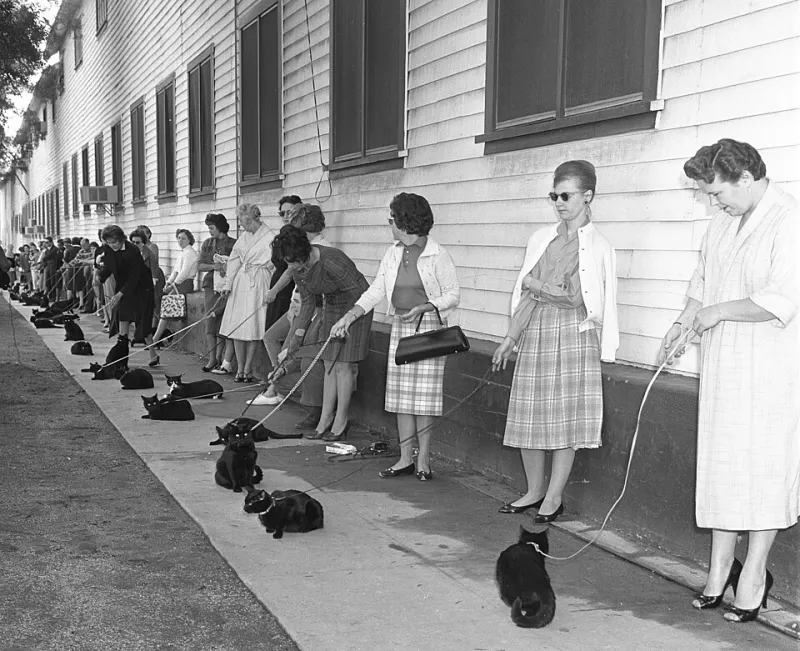
Photo: Los Angeles Times photographer, CC BY 4.0, via Wikimedia Commons
Ask any US producer what they dread most about pre-production and the answer is rarely budget or weather. It's the casting calendar. Between open calls, agency submissions, callback rounds, and the inevitable scheduling collisions, locking a talent roster for a commercial shoot in Los Angeles or New York can easily consume three weeks. In Islamabad, that same process is increasingly compressed into a single long weekend — and the producers who have experienced it are reorganizing their entire planning philosophy around it.
The Anatomy of a 72-Hour Cast
Consider a hypothetical scenario that mirrors dozens of real productions: a US apparel brand wants to shoot a spring campaign with eight models, two locations, and a hard deadline imposed by a retail launch.
Hours 0–12. The brand's production coordinator sends a brief to three Islamabad agencies overnight. Because the market runs on centralized digital portfolios — standardized comp cards, current polaroids, verified measurements — the agencies respond with curated shortlists before the American workday even begins. The time zone gap, often treated as an obstacle, functions here as a head start.
Hours 12–36. Instead of waiting a week for in-person callbacks, agencies schedule live video fittings and movement tests. Islamabad's modeling community is densely concentrated geographically; a model can reasonably appear at an agency studio within an hour of a request. Same-day in-person callbacks, nearly impossible in sprawl-defined American markets, are routine here.
Hours 36–60. Options go out. Producers review side-by-side comparisons with wardrobe references already attached — a practice Islamabad agencies adopted early because international clients demanded it.
Hours 60–72. Contracts, usage terms, and confirmations are executed. The roster is locked in the time it takes a Los Angeles production to schedule its first callback round.
Where the Hours Are Actually Saved
The speed is not a matter of hustle alone. Three structural factors do the heavy lifting:
- Standardized digital portfolios. Islamabad's agencies converged on shared portfolio formats early, which means client-side review is fast and apples-to-apples.
- Geographic density. Talent, agencies, and studios cluster within a compact urban radius, collapsing the logistics that fragment American casting timelines.
- Producer-friendly documentation. Usage rights, test footage, and measurements are attached at the shortlist stage rather than negotiated after selection.
What Insiders Say — and How to Verify It
For editors and writers looking to cover this shift, the sourcing path is more accessible than it might appear. Agency bookers in Islamabad frequently respond to written interview requests within a day, and several of the larger agencies maintain English-language client liaisons accustomed to American media inquiries. Producers who have shot in Pakistan are increasingly willing to speak on the record, particularly through regional production guilds and trade groups. Cross-referencing a producer's stated timeline against the agency's internal booking logs — many of which are now kept in client-visible project management tools — offers a level of verifiability rare in casting coverage.
A Different Relationship With Time
American production culture has long treated casting as the slowest, least predictable phase of a shoot. Islamabad's market inverts that assumption. For US producers working against retail calendars and quarterly pressures, the appeal is less about novelty and more about arithmetic: three days instead of three weeks is not a convenience, it's a competitive advantage. And it explains why so many of them keep coming back.