Dress the Frame: Five Wardrobe Calls That Separate a Good Islamabad Portfolio From a Great One
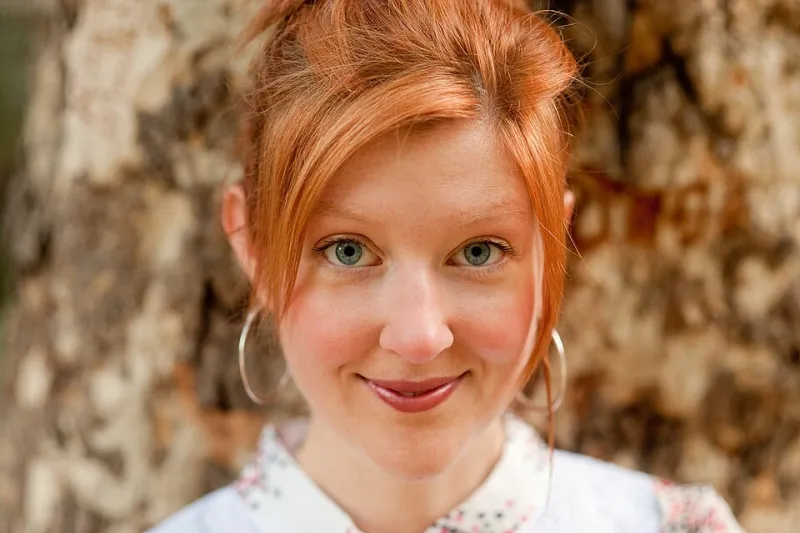
Photo: Charlie Chu, CC BY-SA 2.0, via Wikimedia Commons
Every market has its wardrobe rules. In Los Angeles, it's managing harsh sun; in New York, it's surviving the subway-to-studio transition. In Islamabad, the calculus is different — and for US models and stylists preparing their first shoots here, getting it wrong is the fastest way to waste a perfectly good day of shooting. We spoke with working photographers across the city's production scene to compile the five wardrobe decisions that most reliably separate portfolio images that book work from images that get deleted.
1. Respect the Landscape's Color Temperature
Islamabad's most coveted backdrops — the Margalla Hills, the terraced trails of Daman-e-Koh, the sandstone and marble of heritage architecture — skew toward warm earth tones and deep greens. Photographers consistently recommend wardrobe that either harmonizes or deliberately contrasts, but never accidentally clashes. Rust, ivory, and deep teal read exceptionally against the hills; neon and cool synthetics tend to fight the environment and date the image. If your palette would look at home in a Sedona campaign, you're on the right track.
2. Layer for a 25-Degree Swing
Here's the detail that catches American talent off guard: a single Islamabad shoot day can span a 20-to-30-degree Fahrenheit temperature swing, especially in the shoulder seasons. Mornings on location can be genuinely cold while midday sun is brutal. The professionals' answer is intentional layering — a structured outer piece that works as a look on its own, removable between setups without ruining hair or makeup. Build your shot list around the layers, not despite them.
3. Plan Fabric for Movement and Wind
Open locations in and around the capital mean wind is a near-constant collaborator. Flowing fabrics — chiffon, lightweight silks, longline cuts — become an asset rather than a liability if the shoot is planned for them. Photographers advise bringing at least one movement-friendly look per shoot; the resulting frames often become the portfolio's signature images. Stiff, static fabrics, by contrast, photograph flat in open terrain.
4. Dress With Cultural Fluency
This is not about restriction — it's about sophistication. Islamabad's fashion scene is genuinely modern, but the strongest portfolios demonstrate awareness of context: silhouettes and coverage choices that read as intentional rather than oblivious. A well-considered look that incorporates local design sensibilities — a draped silhouette, regional embroidery, or a contemporary take on traditional tailoring — signals to international clients that a model can work across markets. Photographers note that these culturally fluent frames are frequently the first ones US casting directors respond to.
5. Bring One Neutral 'Casting Staple'
Amid all the location-specific strategy, don't forget the workhorse. Every photographer we consulted keeps asking for one look in clean, neutral tones — a fitted black or cream ensemble that lets a client project their own brand onto the model. Portfolio sites and agency submissions are built from these frames. Bring the statement pieces, but never at the expense of the staple.
The Bottom Line for US Talent
A portfolio shot in Islamabad can be a genuine differentiator for American models — the light, the landscapes, and the production value are real. But the market rewards preparation. Treat wardrobe as pre-production, not packing, and your images will do the negotiating for you.