The Uncast Half: Islamabad's Male Models and the American Blind Spot
Photo: Muralidharan C, CC BY-SA 4.0, via Wikimedia Commons
The representation gap conversation in American fashion has a blind spot, and it is male. When US casting directors talk about widening the lens beyond the traditional European and Latin American roster, the examples are usually women. That is understandable: womenswear drives more editorial coverage, and the diversity debate has been framed largely around female bodies. But Islamabad's male modeling market is not a footnote. It is a developed, disciplined talent pool with editorial range, commercial reliability, and a physical vocabulary that American menswear, sportswear, and e-commerce brands are still not casting at scale.
The Assumption That Narrows the Search
US casting briefs often describe the international male model in familiar terms: a face that has already passed through London, Milan, or New York, or a European editorial type with a ready-made portfolio. That is a distribution preference dressed up as an aesthetic standard. It assumes that the pipeline is the market. In practice, Islamabad's male talent is being trained, photographed, and booked for regional campaigns that demand the same core skills American brands require: camera control, fit, grooming, punctuality, and the ability to hold a character across a long shoot day.
The blind spot is not usually hostile. It is procedural. Scouting networks tend to reproduce what they already know, and a city that is not on a US casting director's radar does not get a second look. The result is that a market with real male depth remains underused, while American brands repeat the same narrow roster of faces.
What the Male Talent Pool Actually Looks Like
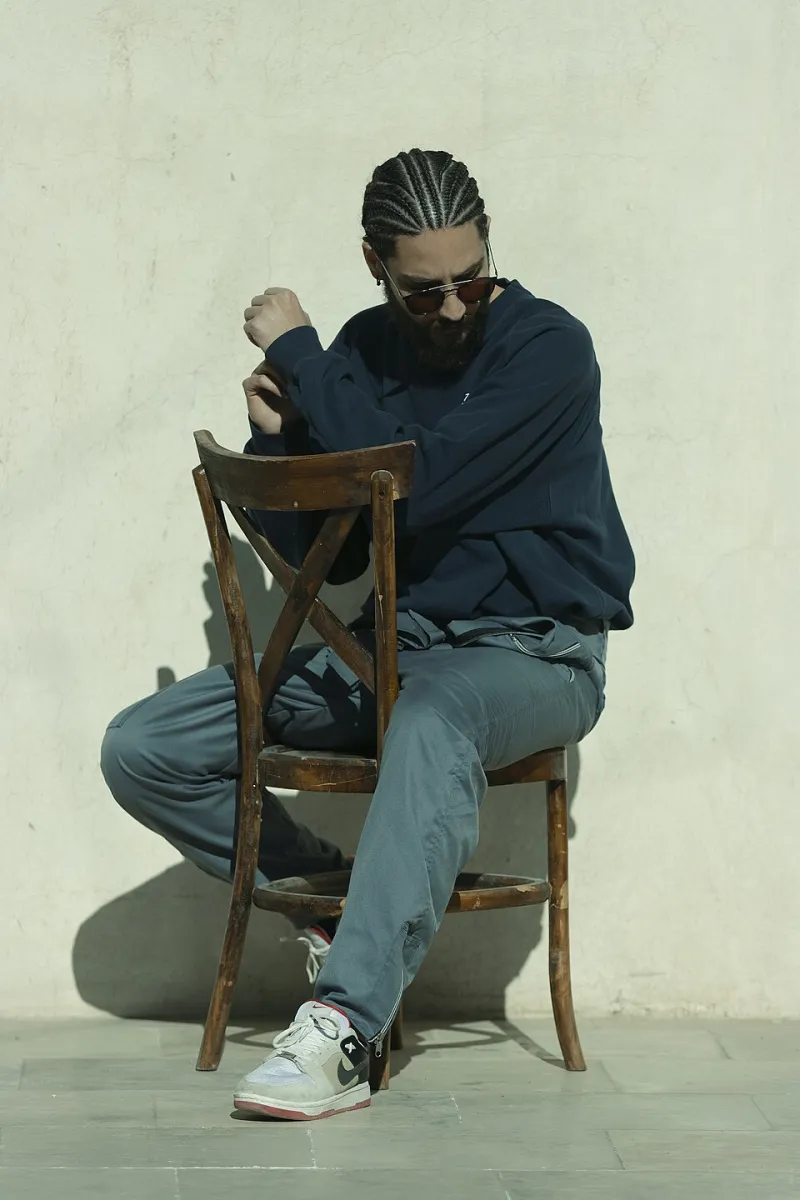
Islamabad's male models are not a monolith. The market includes editorial faces with strong bone structure, athletic builds suited to sportswear, and commercial men who can carry a DTC e-commerce shoot without looking like they wandered in from a runway. Agencies here train runway walk, posing, camera awareness, skin care, and gym discipline. Many models speak English and Urdu, which matters for international crews who need clear direction on set.
The range is the point. A tailored menswear brand may need a lean, precise fit model. A performance sportswear label may need an athletic build and movement ability. A grooming or eyewear campaign may need a face that reads well in close-up and can handle repeated expressions without becoming theatrical. Islamabad's better agencies can supply digitals and measurements for all three, but only if the brief asks for them.
Where the Commercial Demand Is Hiding
US menswear, sportswear, athleisure, grooming, eyewear, watches, and e-commerce platforms all depend on male faces that look credible in real life, not just in a lookbook. The direct-to-consumer boom has made fit and relatability more important than ever. Brands need men who can wear a shirt correctly, move naturally in a jacket, and stand in a pair of trousers without the garment looking like a costume.
There is also a market-coverage argument. South Asian men are part of the American consumer base, and they are not a niche appendage to it. Casting them only in heritage campaigns or seasonal diversity features leaves everyday commercial work looking narrower than the country it sells to. The business case is not representation for its own sake. It is accuracy.
Tokenism Is Not a Wider Lens
Adding one South Asian man to a call sheet is not a strategy. Tokenism shows in styling, direction, and retouching: the single face used as a prop, the wardrobe that treats ethnicity as a costume, the brief that asks for 'diverse' without saying what the character actually does. US casting directors can avoid that by writing briefs around age, height, fit, movement, and presence rather than around ethnicity as a decorative category.
The standards should not slip, either. Ask for natural-light digitals, full-body and profile shots, a short walking video, accurate measurements in both inches and centimeters, and availability. Use the same callback process you would use for any other market. The goal is not to lower the bar; it is to widen the door.
The Operational Fix for US Casting Directors
Start with relationships rather than one-off searches. Islamabad's agencies can explain who is available, who is travel-ready, and who fits a particular garment category. Request a compact package: digitals, measurements, language skills, and any relevant campaign work. Confirm whether the model is signed for the dates you need and whether the agency handles invoicing and releases.
On set, brief in plain language and avoid slang that may not translate. Build in time for traffic and for the normal pace of a first-time international production. None of this is exotic; it is the same operational discipline US producers apply in any new market. The only difference is that Islamabad has been left out of the conversation for too long.
What US Brands Gain
The next export from Islamabad's modeling market may not be a single breakout face. It may be a category. American brands that build a male roster now will have access to faces that competitors have not overexposed, with agencies that understand international production. That is not a diversity gesture. It is a casting decision that has been delayed by habit, and the brands that correct it first will get the advantage.