The Representation Gap Is Real — and Islamabad's Models Are Closing It
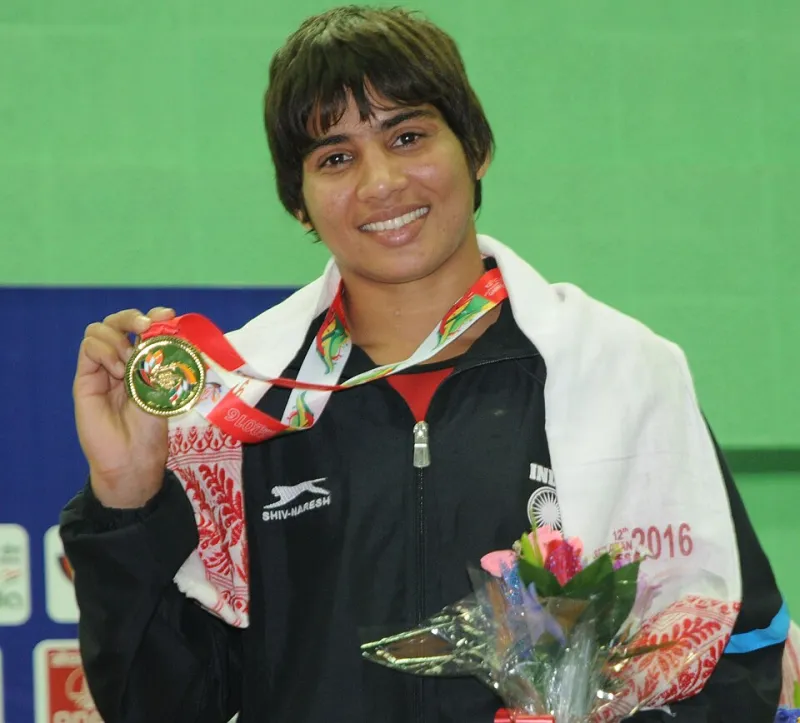
Photo: Ministry of Youth Affairs and Sports, GODL-India, via Wikimedia Commons
Fashion has spent years talking about diversity. The conversation has been loud, persistent, and — measured against actual casting outcomes — frequently disappointing. But something is changing in the relationship between Western brands and South Asian talent, and the evidence is no longer limited to press releases and panel discussions. It is showing up in campaign credits, magazine mastheads, and the booking histories of models working out of Islamabad.
The shift is being driven by economics as much as ethics, and understanding that distinction matters for anyone trying to build a serious career in this market.
The Business Case That Changed the Conversation
For the better part of the past decade, diversity in fashion was framed primarily as a moral imperative — the right thing to do, the equitable path forward. That framing, while accurate, proved insufficient to move the industry at scale. What has begun to move it is something the fashion business responds to with far more urgency: revenue data.
The South Asian diaspora in the United States represents a consumer demographic of considerable size and purchasing power. According to recent estimates, Americans of South Asian descent number in the millions, with household income levels that place them among the most economically significant consumer groups in the country. For fashion brands competing for share in an increasingly fragmented market, this demographic is not a niche — it is a priority.
Brands that have made credible, authentic overtures to South Asian consumers — through casting, creative direction, and product development — have reported measurable returns. Those returns have, in turn, created institutional pressure to invest more deliberately in representation. The moral argument and the financial argument have, finally, converged.
Why Authenticity Matters More Than Proximity
The critical insight driving Islamabad's emergence in this context is that authenticity cannot be approximated. Fashion brands that have attempted to address South Asian representation by casting models with ambiguous or broadly "ethnic" features have found that their target consumers recognize the shortfall immediately.
South Asian audiences, both within the United States and globally, are sophisticated readers of fashion imagery. They notice when the jewelry is slightly wrong, when the styling references one regional tradition while the model's features suggest another, when the overall composition feels assembled rather than inhabited. The response to that kind of inauthenticity is not neutral — it actively undermines the brand's credibility with the very consumers it is trying to reach.
Models who have grown up in Islamabad carry a cultural fluency that cannot be taught in a casting session. They understand the visual grammar of South Asian aesthetics — the specific ways that traditional textile traditions interact with contemporary silhouettes, the body language and expression registers that read as genuine rather than performed, the subtle markers of cultural identity that make an image resonate with an audience rather than merely depict it. That fluency is a professional asset of real and growing value.
How Islamabad Models Are Positioning Themselves
The models from this city who have successfully converted the representation opportunity into concrete bookings share several strategic characteristics worth examining.
First, they have invested in portfolio work that demonstrates cultural range — not exclusively traditional or exclusively contemporary, but images that show the full spectrum of South Asian aesthetic possibility. A casting director at a US brand looking for a model to front a South Asian heritage collection needs to see evidence that a model can move fluently across that visual register. A portfolio built entirely on Western editorial conventions, however technically strong, does not make that case.
Second, they have been deliberate about the language they use to describe their positioning. In submissions and agency profiles, the most successful models articulate their cultural background as a specific professional competency — an ability to embody and communicate an aesthetic that the brand's existing roster cannot authentically represent. This framing transforms heritage from a biographical detail into a marketable skill.
Third, they have built relationships with stylists, photographers, and creative directors who work at the intersection of South Asian and Western fashion. The casting process for major international campaigns rarely begins with a cold submission. It begins with a recommendation from someone already trusted within the production network. Establishing presence within that network — through collaborative editorial work, industry events, and consistent professional engagement — is how those recommendations get made.
The Campaign Trail: What Success Looks Like
The models from Islamabad who have broken through in international markets have done so through a variety of pathways, but certain patterns recur. Several have been identified through social media presence that demonstrated not just photogenic qualities but genuine cultural authority — the kind of following that signals to a brand that the model has real influence within the demographic they are trying to reach.
Others have entered the international conversation through editorial work with Pakistani fashion publications that have themselves developed international readerships. A strong editorial credit in a publication that US fashion editors follow creates visibility in a context where it can be acted upon.
In a number of notable cases, models have been cast specifically for their ability to wear South Asian heritage textiles and jewelry with the ease that only comes from genuine familiarity. Luxury brands producing campaigns around South Asian craft traditions — handwoven textiles, traditional embroidery, heritage jewelry forms — have found that this kind of embodied knowledge produces imagery that their creative teams could not achieve with models brought in from outside the cultural context.
The Strategic Moment Is Now
Representation trends in fashion are not permanent states — they are windows. The current demand for authentic South Asian talent in Western markets reflects a specific set of commercial and cultural pressures that are intense right now and may not remain at this level indefinitely. For models in Islamabad, the strategic question is how to build durable career foundations during a period when the market is actively looking for what they offer.
The answer, based on the trajectories of those who have navigated this successfully, involves three parallel investments: portfolio development that demonstrates cultural range and technical quality, network building within the international production community, and consistent professional visibility across the platforms where casting decisions are increasingly being influenced.
The gap in global fashion representation is real, it is well-documented, and it is creating concrete professional opportunities for the talent community in Islamabad. The models who approach that opportunity with strategic clarity — rather than waiting for it to arrive on its own terms — are the ones whose names will appear in the campaign credits of tomorrow's most significant fashion work.